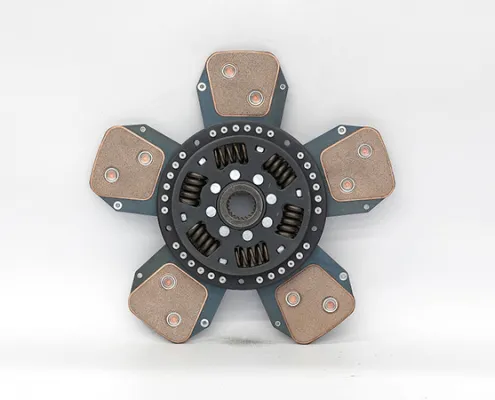
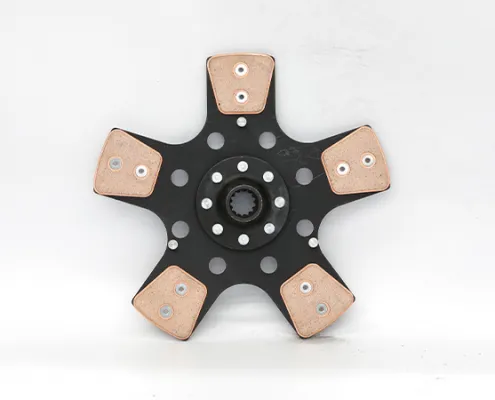
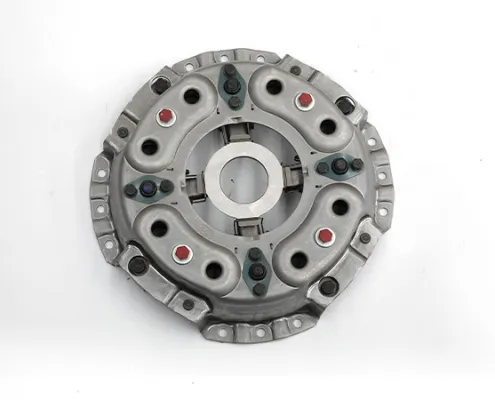
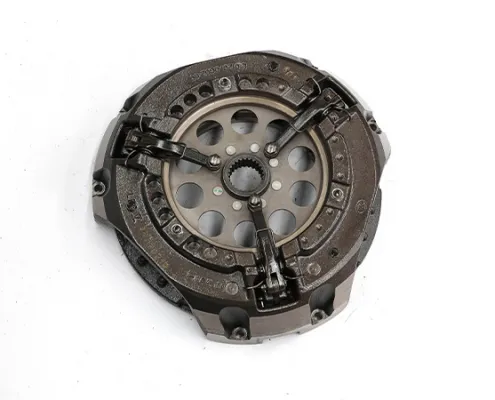
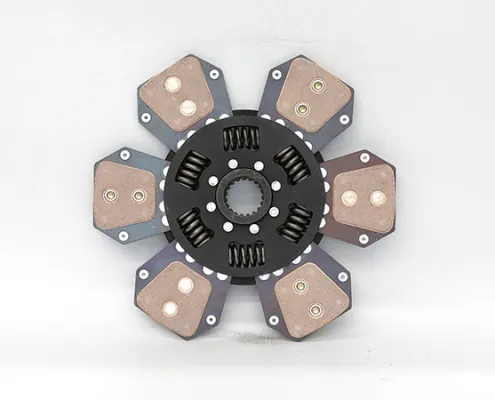
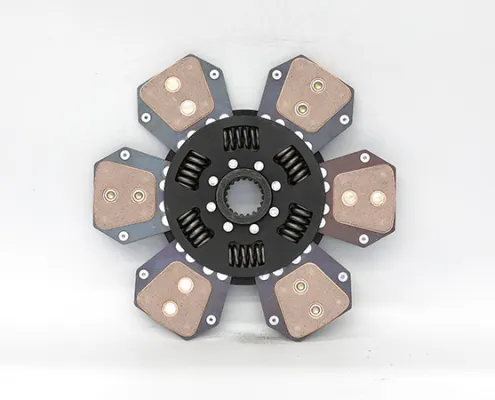
Single-acting clutches and double-acting clutches differ primarily in their design and operation. Here are the key differences between the two:
Number of Friction Surfaces:
• Single-Acting Clutch: Utilizes only one friction surface for engaging and disengaging the clutch.
• Double-Acting Clutch: Features two friction surfaces for engaging and disengaging the clutch.
Engagement Mechanism:
• Single-Acting Clutch: Typically engaged by a single action, such as pressing a pedal or pulling a lever.
• Double-Acting Clutch: Engages and disengages through two separate actions, usually involving two pedals or levers.
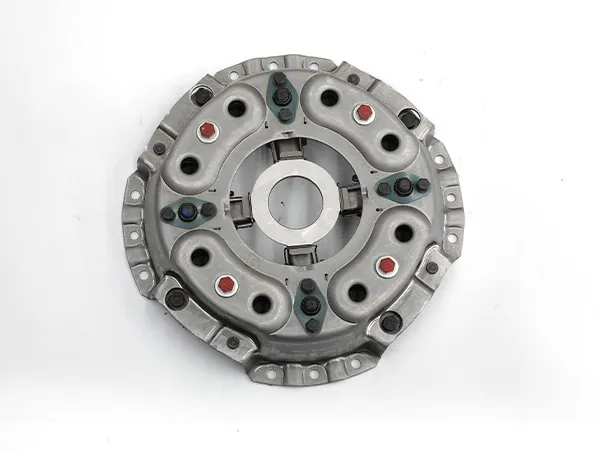
Usage:
• Single-Acting Clutch: Commonly found in simpler mechanical systems, such as motorcycles, small vehicles, or some industrial machinery.
• Double-Acting Clutch: Often used in larger vehicles like trucks and heavy machinery, where more precise control over clutch engagement is necessary.
Performance and Control:
• Single-Acting Clutch: Offers less precise control over engagement compared to double-acting clutches.
• Double-Acting Clutch: Provides more precise control over engagement, allowing for smoother operation and better handling, especially in heavy-duty applications.
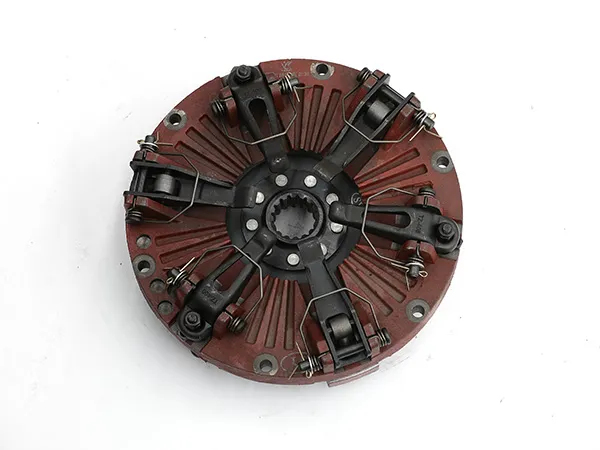
Complexity and Cost:
• Single-Acting Clutch: Generally simpler in design and less expensive to manufacture.
• Double-Acting Clutch: More complex in design and often more expensive due to the additional components required for dual action engagement.
Torque Handling Capacity:
• Single-Acting Clutch: Typically suitable for applications with lower torque requirements.
• Double-Acting Clutch: Can handle higher torque loads due to its design and construction, making it suitable for heavy-duty applications.
Overall, the choice between single-acting and double-acting clutches depends on factors such as the specific application, required control precision, torque demands, and budget constraints.